Adjacent Symbol Alignments: Transforming Winning Dynamics in Mobile Reel Systems
Written by Sofia Franke · Jun 11, 2026
Adjacent Symbol Alignments: Transforming Winning Dynamics in Mobile Reel Systems
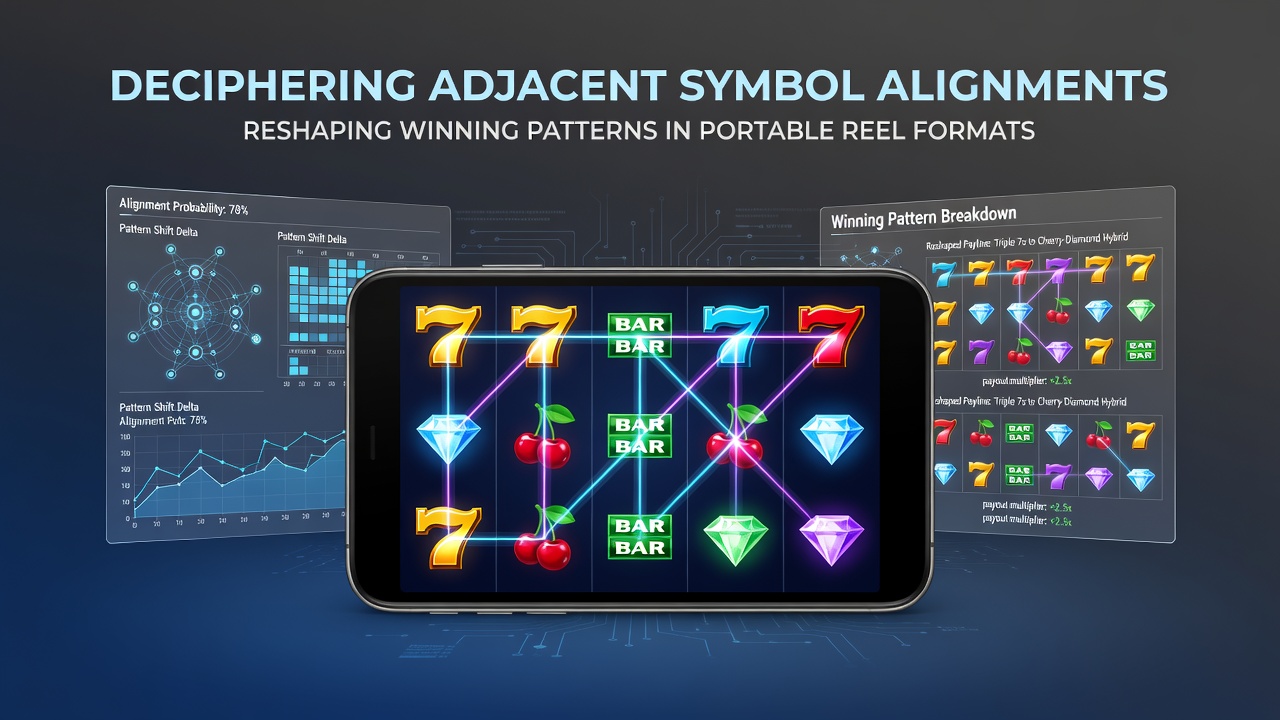
Portable reel formats rely on compact screen real estate where fixed paylines give way to flexible adjacency rules, and developers adjust symbol placement so neighboring matches create new payout sequences instead of requiring straight-line combinations across multiple reels.
Traditional Paylines Versus Proximity-Based Wins
Classic reel structures depend on predetermined lines that run horizontally, vertically, or diagonally, whereas adjacent alignment systems evaluate symbols that sit next to one another regardless of exact row position, which expands the number of possible winning configurations on smaller displays. Data from industry reports shows this shift allows games to register wins when identical symbols occupy neighboring positions, and the change reduces the visual clutter that fixed lines create on handheld devices. Observers note that mobile interfaces benefit because players can track clusters or chains more easily without scrolling or zooming.
Mechanics Driving Adjacent Alignment Patterns
Adjacent systems often incorporate cluster pays or ways-to-win calculations that count every neighboring group meeting a minimum size threshold, and these calculations replace the older requirement that symbols must land on specific lines. Research indicates the adjustment increases hit frequency in many titles because symbols no longer need to align across five or more reels in a straight path. Game designers implement these rules through grid-based evaluation engines that scan left to right and top to bottom simultaneously, then apply multipliers when chains connect across multiple clusters. Figures from development studios reveal that such engines process thousands of potential groupings per spin while maintaining the same random number generator integrity used in traditional formats.
Impact on Portable Screen Layouts
Smaller viewports limit the number of visible reels and rows, so adjacency rules help maintain engagement by turning every symbol placement into a potential contributor rather than restricting value to a handful of lines. Developers adjust symbol sizes and spacing to highlight neighboring matches, and animation sequences emphasize chain reactions that cascade after an initial evaluation completes. Data collected from operator dashboards shows session lengths on mobile devices extend when players can see immediate visual feedback from adjacent groupings. Those who study interface design point out that color coding and particle effects guide attention toward forming clusters without overwhelming the limited pixel space available on phones and tablets.
Regional Data and Regulatory Context
Reports compiled by the International Gaming Standards Association document how adjacency mechanics appear across multiple jurisdictions and note consistent patterns in payout distribution compared with legacy line-based titles. Figures released in early 2026 indicate mobile titles using these systems achieve similar return-to-player percentages while generating more frequent smaller wins that suit shorter play sessions common on portable devices. Analysts tracking adoption rates across North America and Europe observe steady integration of proximity rules into new releases scheduled for mid-year launches.
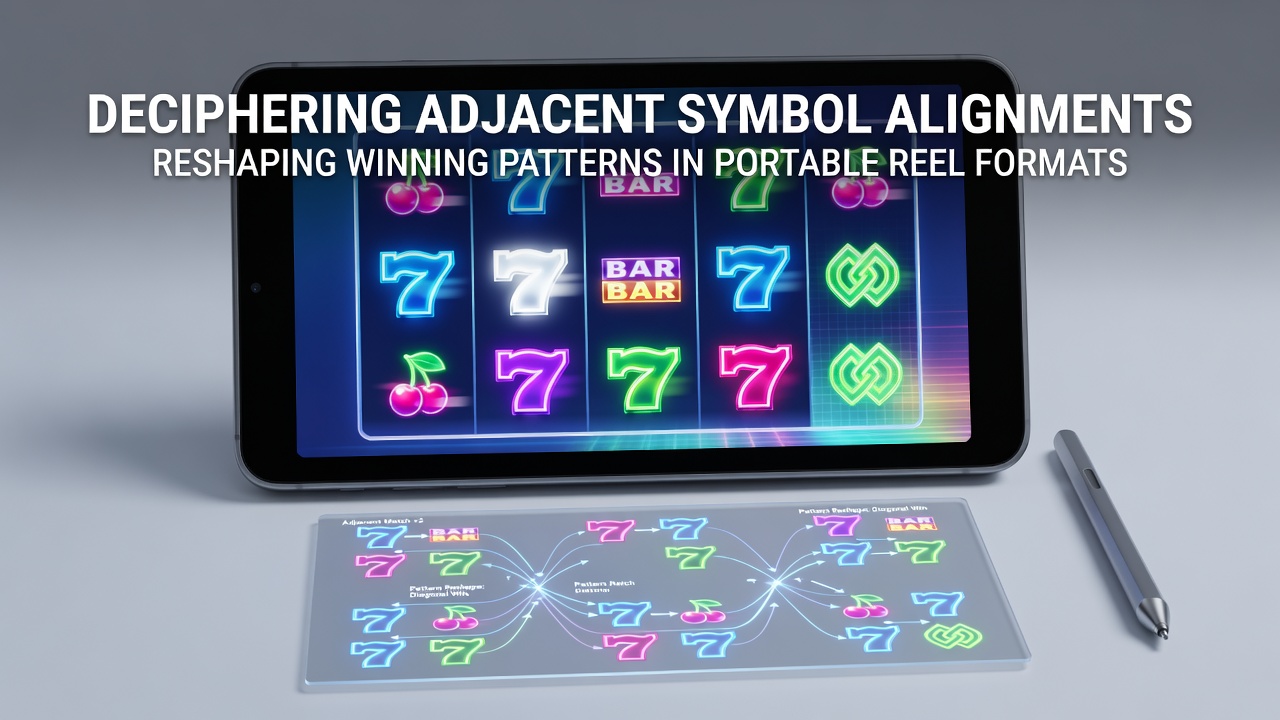
By June 2026 several markets are preparing updated technical standards that require clearer disclosure of adjacency evaluation methods within game rules, and operators must display the minimum cluster size needed for a payout. These requirements aim to maintain transparency while allowing continued innovation in reel layout and symbol behavior on handheld platforms.
Examples of Implementation Across Game Types
One title released in late 2025 uses a 6x6 grid where any five or more matching symbols touching horizontally or vertically award prizes, and additional symbols can connect diagonally under specific bonus conditions. Another format employs a 5-reel setup with 243 adjacent ways that evaluates every neighboring position rather than restricting outcomes to fixed lines. Observers who examined play data found these approaches produce comparable volatility profiles to older games yet distribute wins across more frequent but smaller events. Developers continue testing variations that combine adjacency with cascading reels so new symbols fall into place after each evaluation, extending the chain reaction across multiple rounds.
Player Interface Adjustments
Touchscreen controls allow players to tap individual symbol groups for expanded information, and tooltips display how many adjacent matches contributed to a given payout. Such features appear more frequently in titles optimized for tablets and smartphones where screen real estate supports layered information without interrupting the spin cycle. Studies conducted by academic researchers at institutions focused on human-computer interaction confirm that visual highlighting of neighboring symbols reduces cognitive load during rapid play sequences. Operators report that these interface elements correlate with higher retention metrics when measured against titles that retain strict payline structures.
Conclusion
Adjacent symbol alignments continue to influence how winning patterns form in portable reel formats by replacing rigid line requirements with proximity evaluations that suit smaller screens and mobile play habits. Regulatory updates scheduled around June 2026 emphasize transparent disclosure of these mechanics, while technical standards from organizations such as the International Gaming Standards Association provide frameworks for consistent implementation across markets. Data from multiple regions shows the approach sustains engagement through more frequent visual feedback without altering core randomness principles that underpin all reel-based games.