Behind the Numbers: How Casino Operators Structure Loyalty Programs Around Slot Gameplay Data
Written by Jonas Bauer · Aug 24, 2026

Behind the Numbers: How Casino Operators Structure Loyalty Programs Around Slot Gameplay Data
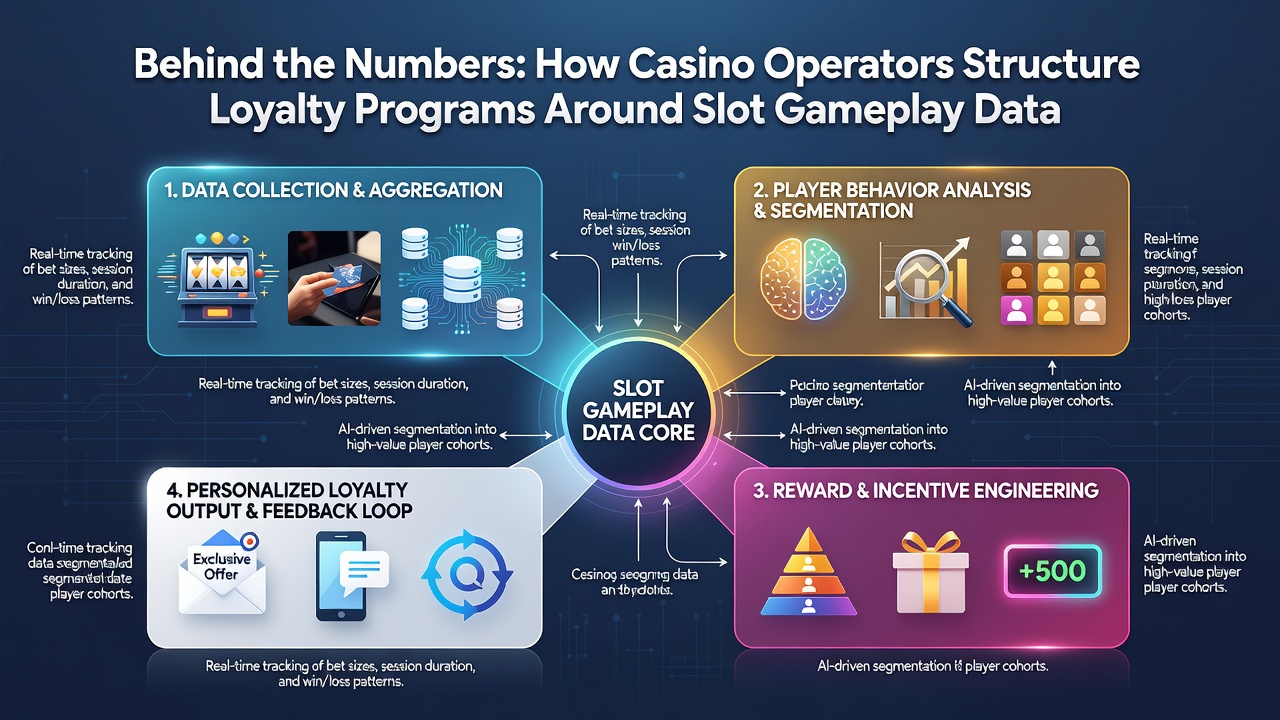
Casino operators build loyalty programs by analyzing detailed slot gameplay data that tracks player behavior across thousands of sessions each month, and this approach allows properties to allocate rewards based on measurable activity rather than estimates. Systems record metrics such as coin-in totals, session duration, average bet size, and frequency of visits, then feed those figures into algorithms that determine point accumulation and tier status for each participant.
Data Collection Methods in Modern Casinos
Operators install player tracking hardware directly into slot machines so that every spin contributes to a centralized database, while card readers capture identification numbers that link individual accounts to real-time performance records. Researchers at institutions like the University of Nevada Reno have documented how these networks process data from multiple floors simultaneously, and the resulting profiles help managers identify high-volume players without relying on manual observation. In practice, a single machine might log hundreds of data points per hour, including denomination played and bonus round triggers, which together create a comprehensive activity history for each loyalty member.
Tier Structures and Point Allocation
Loyalty programs typically divide participants into levels that correspond to annual or monthly play volume, with each tier unlocking escalating benefits calculated from slot-specific metrics. A bronze tier might require modest coin-in thresholds, whereas platinum status demands sustained high-stakes activity across multiple visits, and the calculations often weight recent performance more heavily than older sessions. Observers note that operators adjust these thresholds periodically to reflect changes in machine configurations or regional player preferences, ensuring the system remains aligned with actual revenue contributions from different segments of the floor.
Integration with Slot Machine Performance Metrics
Slot gameplay data extends beyond raw volume to include volatility patterns and game type preferences, which operators use to tailor offers such as targeted free play credits or hotel stays. For instance, players who favor high-volatility titles may receive incentives timed to new game releases, while those who stick with lower-volatility options might see promotions focused on extended play sessions. Data from sources including the American Gaming Association indicates that these customized approaches help maintain engagement levels across diverse player groups, and the process relies on continuous updates rather than static rules.
August 2026 saw several major properties in North America refine their algorithms to incorporate real-time machine occupancy rates alongside individual play data, and this adjustment allowed for more precise reward distribution during peak hours. The changes stemmed from internal reviews of historical datasets that revealed correlations between machine location and player retention rates, prompting operators to factor floor traffic patterns into loyalty calculations.
Regulatory Considerations Across Regions
Regulatory bodies in multiple jurisdictions require operators to maintain transparent records of how gameplay data influences reward structures, and compliance involves regular audits of the underlying software. In Australia the Northern Territory Government has published guidelines on data handling for gaming venues, while Canadian provincial authorities in Ontario have issued similar directives that emphasize player consent and data security protocols. These frameworks influence how loyalty programs are designed, yet they leave room for operators to experiment with different weighting systems as long as core transparency standards remain intact.
Case Examples from Operating Properties
One major resort in Las Vegas implemented a system that converts slot coin-in into tier credits using a sliding scale that accounts for game denomination, and the result produced measurable shifts in player distribution across machine banks. Another property in Atlantic City adjusted its point multipliers for progressive jackpot games after reviewing session-length statistics, which led to increased participation from mid-tier members without altering overall payout percentages. Observers note that such modifications often occur after quarterly data reviews, and the adjustments reflect patterns identified through aggregated rather than individual records.
Conclusion
Casino loyalty programs continue to evolve through iterative analysis of slot gameplay data, and the structures that emerge balance operational efficiency with regulatory requirements across different markets. Operators rely on these systems to allocate resources where activity levels justify the investment, while players receive benefits scaled to their documented participation. The ongoing refinement of these programs depends on accurate data pipelines and periodic recalibration of reward formulas to match shifting floor conditions.