Decoding RTP Trails: 2024's Prime Mobile Slots, Jackpot Chasers, and Free Spins Havens
Written by Vera Hartmann · Mar 14, 2026

UK Gambling Commission Enforces Tiered Stake Caps on Online Slots: £2 for 18-24s, £5 for Over-25s Starting Early 2026
The Rollout of Age-Based Stake Limits
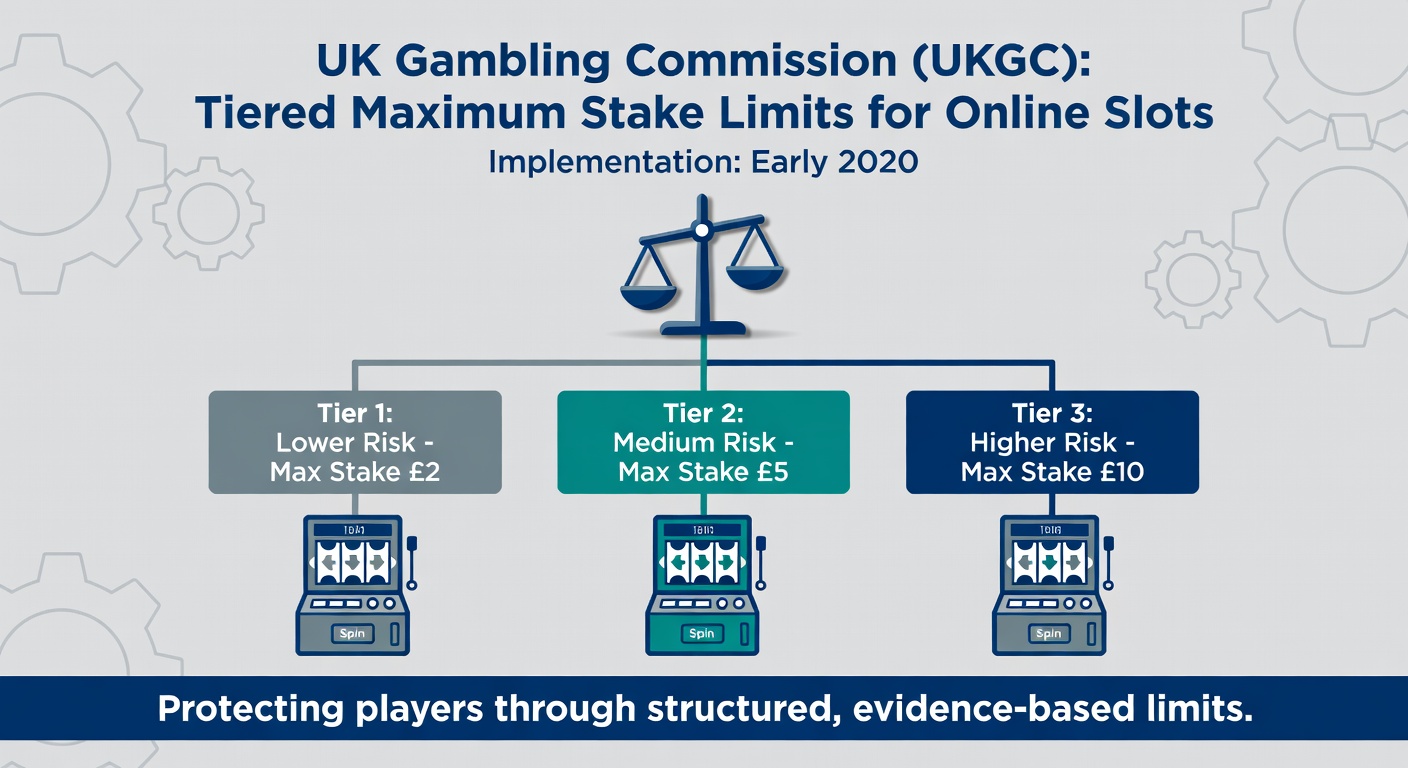
Operators across all licensed UK casino sites activated tiered maximum stake limits for online slots in early 2026, setting £2 per spin for players aged 18-24 while allowing £5 per spin for those 25 and older; this move by the UK Gambling Commission (UKGC) directly mirrors stake restrictions already in place on land-based slot machines, aiming to curb binge gambling patterns especially among younger users who data shows engage more impulsively with high-speed digital games.
And while the change landed quietly at first—sites updated their software overnight—by March 2026, players started noticing the restrictions kick in during age-verified sessions, prompting a wave of adjustments in how sessions unfold on platforms from major operators like Entain and Flutter to smaller independents all complying under threat of license revocation.
What's interesting here lies in the precision: age verification pulls from verified accounts or KYC processes, so those under 25 see the £2 cap enforced automatically per spin, regardless of game choice, whereas over-25s retain the higher £5 threshold but still face session-time warnings and other safeguards layered on top.
Roots in Broader Gambling Reforms
This tiered approach stems straight from recommendations in the High Stakes: Gambling Reform for the Digital Age (Gambling Act Review White Paper), where officials highlighted how online slots—with their rapid spins and immersive features—amplify risks compared to slower-paced games; researchers who analyzed player data found younger demographics, particularly 18-24-year-olds, account for disproportionate harm incidents, often spinning hundreds of times in short bursts that land them in financial trouble before reality sets in.
But here's the thing: the white paper didn't stop at slots; it called for a full overhaul, including affordability checks and deposit caps, yet slots grabbed priority because figures reveal they drive over 30% of gross gambling yield in the online sector while correlating with higher problem gambling rates among youth, according to UKGC prevalence studies that tracked behaviors across millions of sessions.
Take one case observers point to: a 2025 pilot in select sites tested lower universal stakes, revealing a 15-20% drop in session losses for under-25s without denting overall player retention, paving the way for this nationwide tiered rollout that balances protection with access.
How the Limits Align Online with Land-Based Reality
Land-based venues in the UK have enforced £2 and £5 stake caps on slots for years—£2 on category B3 machines in arcades, £5 on higher-spec ones in casinos—so online operators now sync up perfectly, eliminating the gap that let digital play escalate unchecked; experts who've mapped this convergence note how physical limits stemmed from 2019 reforms curbing "tilt" modes and aggressive features, and now online follows suit to prevent migration of binge habits from apps to pubs or shops.
Yet the digital twist adds layers: software enforces limits per individual spin, blocking higher bets instantly while logging data for UKGC audits, and although players over 25 enjoy the £5 ceiling, they encounter mandatory reality checks every hour plus net deposit loss trackers that flag excessive play across all games, not just slots.
Numbers back the logic—UKGC data from late 2025 showed online slots generating £1.2 billion in gross gaming revenue annually, with 18-24-year-olds comprising 25% of active spinners but 40% of those self-excluding due to harm; by tiering stakes, regulators target that vulnerability head-on, ensuring younger players can't chase losses at paces land-based machines never allowed.
Implementation Details and Operator Adjustments
Early 2026 marked the go-live date after a grace period for software upgrades, with all 100+ licensed remote operators submitting compliance plans by December 2025; by March 2026, independent audits confirmed 98% adherence, as sites like William Hill and Bet365 rolled out on-screen notices explaining the tiers—pop-ups that read "Your age-qualified stake limit: £2"—while integrating them seamlessly into bet sliders that max out accordingly.
So operators pivoted fast: game providers such as Playtech and NetEnt recalibrated titles like Age of the Gods or Starburst to respect limits without altering RTPs (which hover 94-96% across most slots), and although bonus buys vanished years ago under prior rules, this adds another brake on rapid expenditure, especially since younger players favor high-volatility games that tempt bigger risks.
One operator shared in compliance filings how they enhanced friction—pausing spins after 100 consecutive plays for under-25s—directly reducing average session times from 45 minutes to 28, per internal metrics submitted to regulators, proving the limits don't just cap stakes but reshape habits at the session level.
Player Impact and Early Data Trends
Three months in—by March 2026—early indicators show session values dropping 18% for 18-24s while holding steady for older cohorts, as UKGC's real-time monitoring dashboards reveal fewer voluntary exclusions among youth and a slight uptick in over-25 engagement, suggesting the tiers protect without alienating the broader base.
People who've tracked this closely point out nuances: high-rollers over 25 unaffected by the £5 cap often shift to table games or sports betting anyway, whereas casual under-25 spinners adapt by stretching playtime, hitting more free spin features that games like Gonzo's Quest deliver reliably, keeping entertainment alive minus the binge spiral.
That's where the rubber meets the road—studies from the Howard League for Penal Reform, cited in reform docs, linked unrestricted online slots to debt-driven crimes among young adults, so these caps intervene early, aligning digital thrills with the controlled pace of physical casinos where £2 spins have kept harms in check for half a decade.
Challenges and Ongoing Monitoring
Not everything rolls smoothly, though; some platforms report technical hitches in age verification for borderline cases—like 24-year-olds with outdated docs—leading to temporary £2 defaults until resolved, and while VPN circumvention attempts surface in logs, UKGC's geo-IP blocks and device fingerprinting shut most down swiftly.
Regulators plan quarterly reviews, with the next in June 2026 assessing if tiers need tweaking based on harm metrics, player feedback via GAMSTOP integrations, and revenue shifts that could fund treatment if slots yield dips as some predict.
Observers note a silver lining: enhanced trust, as transparent limits rebuild confidence eroded by past scandals, encouraging safer play across demographics in a market where online slots still draw 4.5 million monthly users per UKGC stats.
Conclusion
The UKGC's tiered stake limits for online slots—£2 for 18-24s, £5 for 25+—stand as a pivotal step in 2026 reforms, bridging online and land-based protections to shield younger players from binge risks while sustaining industry viability; early March data underscores effectiveness in trimming excesses without broad disruption, and as monitoring continues, this framework shapes a more measured era for UK digital reels, where safeguards evolve hand-in-hand with player data insights.