Feature Optimization Techniques Driving Cross-Platform Compatibility in Gaming
Written by Bianca Roth · Jul 16, 2026
Feature Optimization Techniques Driving Cross-Platform Compatibility in Gaming
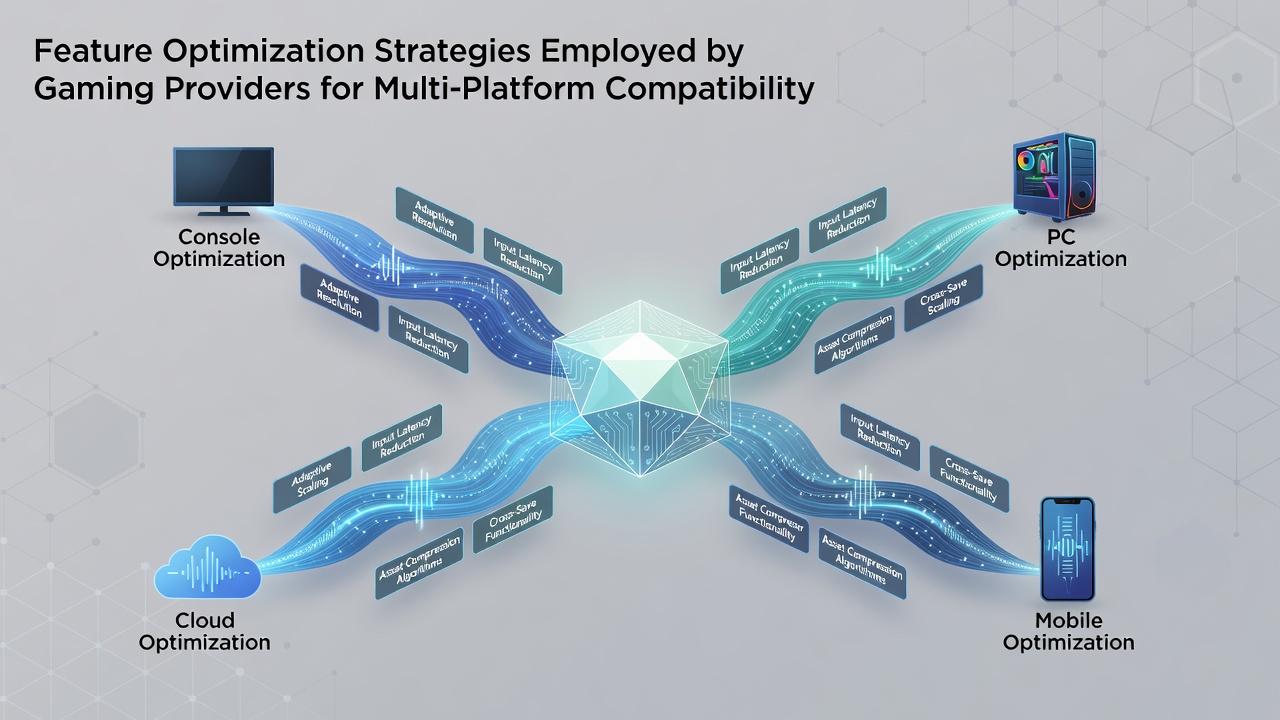
Feature optimization has become central to how gaming providers approach development for slots and other titles that run across desktop, mobile, and tablet environments. Providers adjust visual elements, bonus mechanics, and performance parameters so that gameplay remains consistent regardless of screen size or operating system. Data from industry reports shows that titles optimized for multiple platforms see higher retention rates because players encounter fewer interruptions when switching devices.
Adaptive Asset Scaling and Rendering Methods
Gaming studios employ vector-based graphics alongside dynamic resolution scaling to maintain clarity on both high-definition monitors and smaller mobile displays. These methods allow reel symbols, background animations, and interface buttons to resize without pixelation or distortion. Engineers test these assets through automated pipelines that simulate load conditions on different hardware configurations, ensuring frame rates stay stable even during complex bonus sequences.
One common approach involves modular asset libraries where individual components load conditionally based on detected device capabilities. This reduces download sizes for mobile users while preserving full detail for desktop sessions. Research from the International Game Developers Association indicates that such modular systems cut development time by up to 30 percent when providers release updates across regions.
Performance Tuning for Varied Hardware Profiles
Providers profile games against a range of processors and memory allocations to identify bottlenecks before release. They implement level-of-detail adjustments that simplify particle effects or reduce animation complexity on lower-end devices without altering core mechanics such as win calculations or feature triggers. These adjustments rely on real-time telemetry that feeds back into iterative patches.
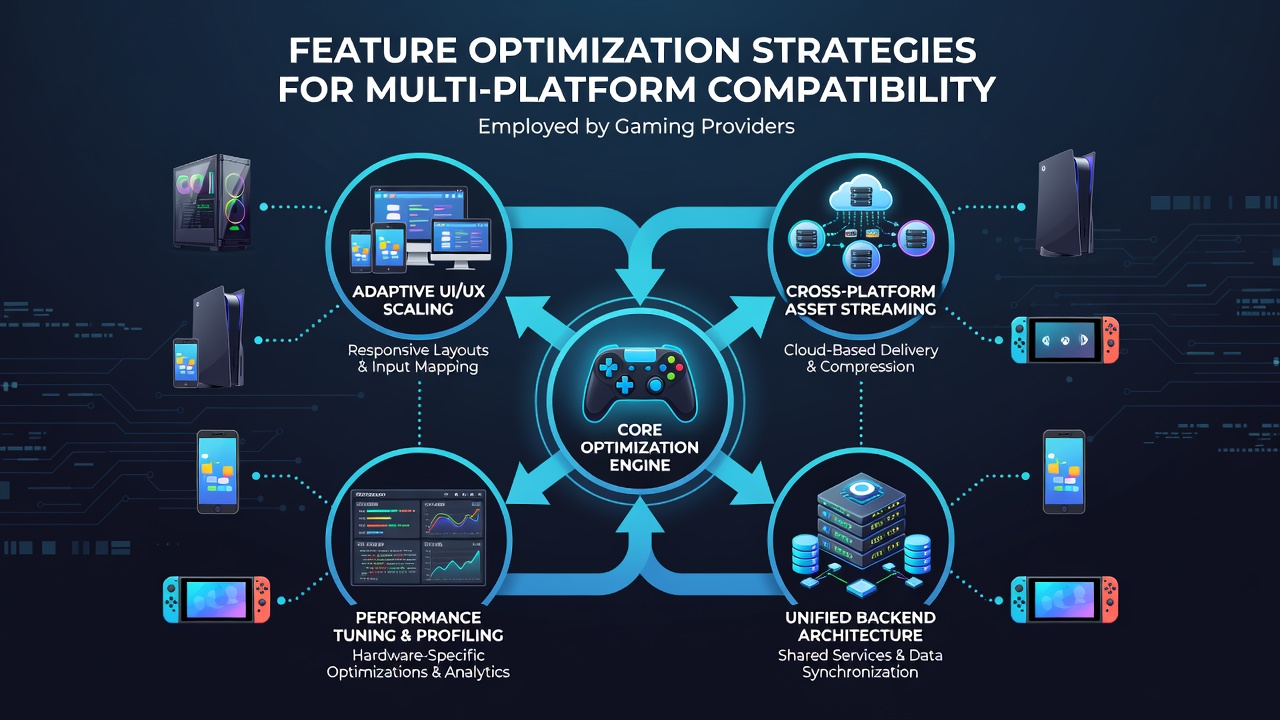
Memory management routines receive particular attention because mobile operating systems impose stricter limits than desktop environments. Developers apply texture compression and asynchronous loading sequences so that large jackpot animations or cascading reel sequences do not cause crashes. Figures from the Nevada Gaming Control Board reveal that optimized titles experience fewer regulatory complaints related to technical failures after launch.
Input and Interface Standardization Across Devices
Touchscreen controls, mouse interactions, and controller mappings undergo separate calibration passes to preserve responsiveness. Providers create unified event systems that translate user actions into consistent game logic, whether the input arrives through a swipe, click, or button press. This standardization extends to accessibility features such as adjustable spin speeds and color contrast options that must function identically on every platform.
July 2026 marks the rollout of updated technical standards in several jurisdictions that emphasize seamless cross-device functionality. Providers have responded by expanding their quality assurance teams to include dedicated multi-platform certification cycles that verify compliance ahead of enforcement dates. These cycles incorporate feedback from regulators and independent testing laboratories to confirm that features such as bonus buy options and progressive jackpot meters operate without discrepancies.
Network and Synchronization Protocols
Real-time synchronization between client and server becomes more complex when sessions span different connection types. Providers integrate adaptive bitrate streaming and predictive caching to handle variable network conditions on mobile networks versus stable broadband connections. Session state data, including current reel positions and accumulated multipliers, transmits through lightweight protocols that minimize latency spikes.
Case studies shared at industry conferences demonstrate that games using these protocols maintain session continuity when players move from desktop to mobile mid-round. Observers note that such continuity supports longer play periods because users avoid restarting features after switching devices.
Conclusion
Feature optimization for multi-platform compatibility continues to evolve as hardware diversity expands and regulatory expectations tighten. Providers that invest in scalable assets, hardware profiling, standardized inputs, and robust synchronization deliver experiences that remain reliable across environments. These strategies support broader accessibility while meeting technical requirements that take effect in mid-2026 and beyond. Data from regulatory bodies and developer associations confirms that systematic optimization reduces technical issues and improves consistency for players worldwide.