Inside the Creative Process: Developers Reveal Inspirations for Upcoming Reel Innovations
Written by Vera Hartmann · Jul 23, 2026
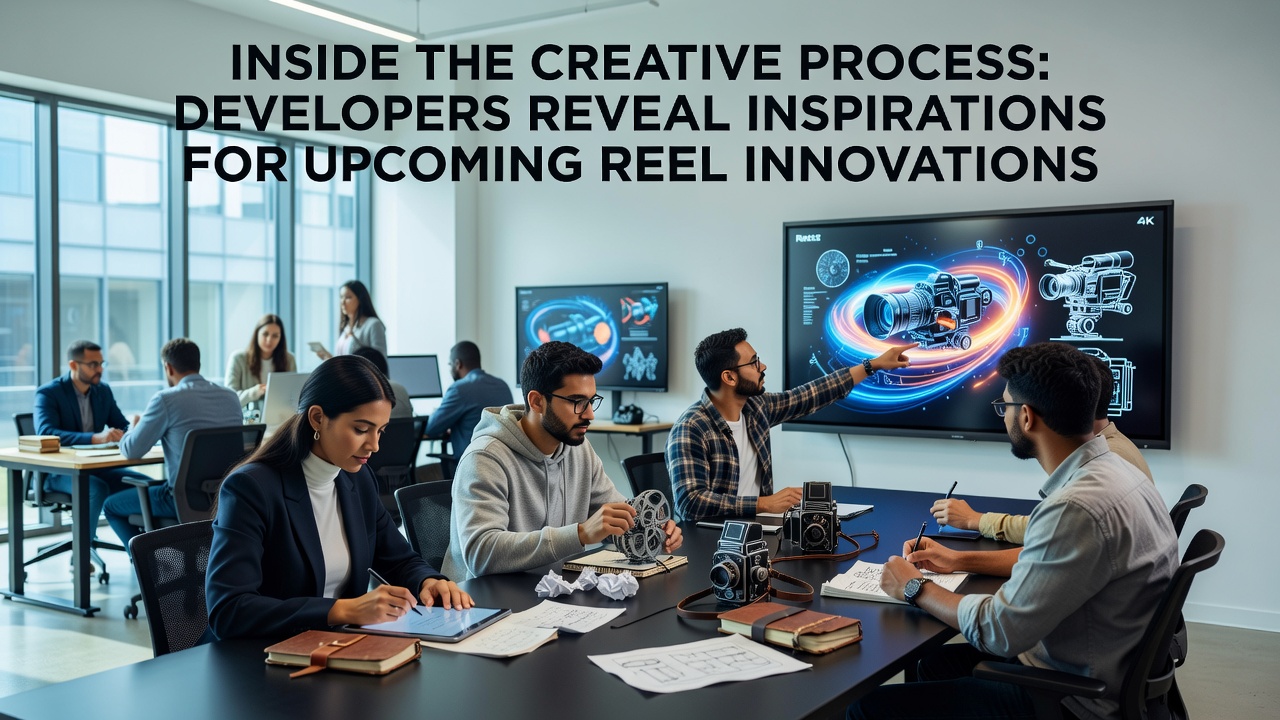
Inside the Creative Process: Developers Reveal Inspirations for Upcoming Reel Innovations
Slot developers often draw from diverse sources when shaping the next generation of reel innovations and those sources range from cultural shifts to technological advances that reshape how symbols interact on screen. Teams at major studios compile data from player behavior reports and global entertainment trends before they begin sketching new mechanics that could appear in titles slated for release around regulatory deadlines such as July 2026. Research from the University of Nevada Las Vegas gaming innovation lab shows that many features originate in cross-industry observations rather than pure chance, with designers studying everything from urban architecture to wildlife migration patterns for visual and structural cues.
Where Ideas Take Root
Developers frequently cite everyday encounters as starting points and one studio documented how a team member noticed repeating patterns in subway tile layouts which later translated into a grid-based reel system that expands during certain sequences. Another group examined historical navigation charts from maritime archives and converted those grid references into coordinate-linked bonus triggers that activate when symbols align along specific routes. These examples illustrate how external references feed directly into reel architecture without relying on familiar payout structures already in circulation.
Industry reports from the American Gaming Association highlight that studios allocate dedicated research phases where staff review patent filings and academic papers on probability modeling to ensure fresh approaches stay compliant across multiple jurisdictions. During these phases creators map potential symbol behaviors against hardware limitations found in both land-based terminals and mobile platforms and the resulting prototypes undergo iterative testing that can span several months.
Turning Observation Into Mechanics
Teams transform raw inspiration into functional elements by breaking concepts into modular components that can be adjusted for different markets. For instance a designer who studied seasonal color changes in northern forests might propose a reel that shifts hue palettes based on accumulated spins and this idea moves through engineering reviews that verify compatibility with existing random number generators. Data from the European Casino Association indicates that such adaptations often coincide with upcoming compliance windows including hardware updates expected by mid-2026.

What's notable is the collaborative layer that follows initial sketches because artists, mathematicians, and compliance officers review each proposal together. This process weeds out ideas that might conflict with technical standards while preserving the core creative spark and observers note that successful innovations usually survive multiple rounds of refinement before they reach certification testing. One documented case involved a symbol interaction model inspired by orbital mechanics from a public astronomy lecture series and the final version required six revisions to balance visual clarity with mathematical fairness.
Global Influences Shaping Reel Concepts
Studios monitor entertainment releases from film, music, and gaming sectors across continents to identify visual motifs that could translate into reel symbols. A Canadian regulatory research paper on emerging display technologies pointed out that increased screen resolution allows finer detail in animated sequences and developers have responded by embedding micro-animations that trigger only under specific reel conditions. These details accumulate during development cycles that align with broader market shifts expected in 2026.
External partnerships also contribute because some developers consult with cultural consultants when exploring themes drawn from regional traditions and this input helps ensure symbol sets resonate without overlapping existing intellectual property. Figures from the International Gaming Standards Association show that cross-border collaboration has risen steadily as companies prepare for synchronized launches that meet varied regulatory calendars worldwide.
Conclusion
The creative pipeline for upcoming reel innovations continues to rely on systematic observation and structured iteration according to multiple industry sources. Developers integrate inputs from technology trends, cultural observation, and regulatory timelines such as those surrounding July 2026 to produce features that function across platforms while remaining distinct from prior mechanics. This methodical approach ensures that new designs reach testing phases with documented origins and measurable performance parameters.