Multiplier Cascades in Provider Lineups: Tracking Patterns That Shape Extended Play Sessions
Written by Sofia Franke · Jun 8, 2026
Multiplier Cascades in Provider Lineups: Tracking Patterns That Shape Extended Play Sessions
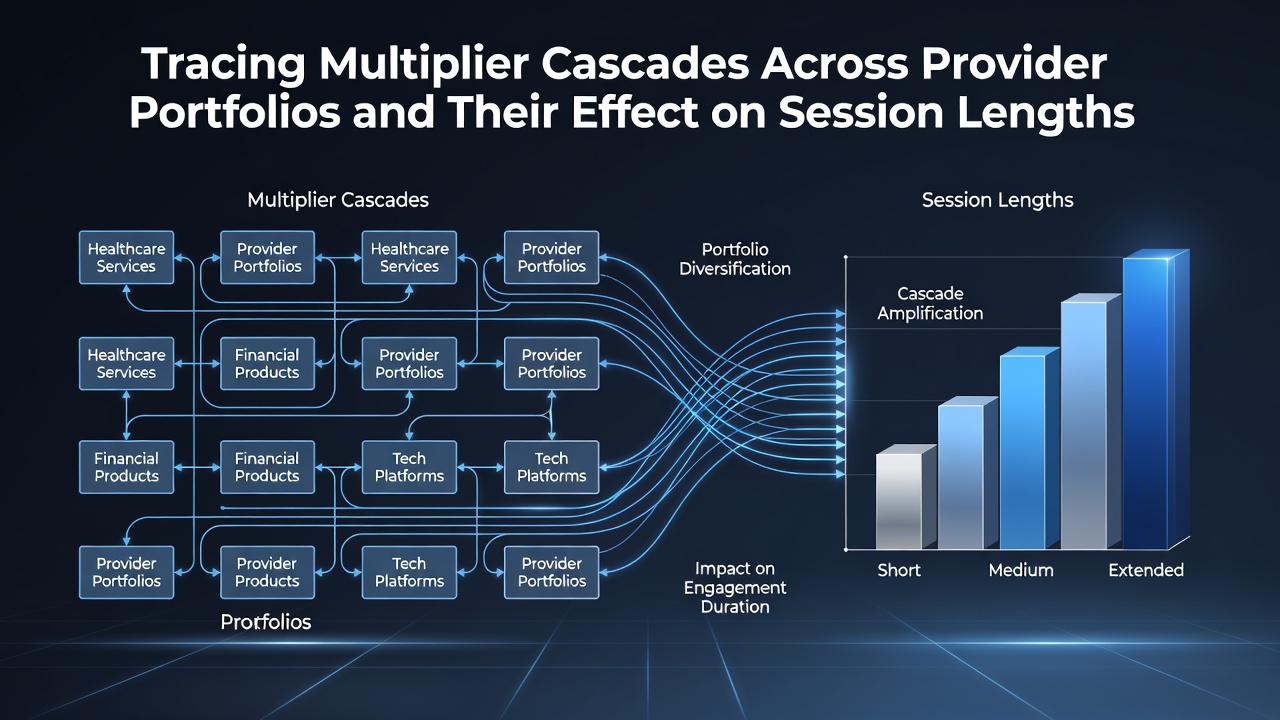
Slot developers integrate multiplier cascades into their game mechanics in ways that connect successive wins through chained reactions, and observers note how these systems appear across entire portfolios from single providers. Data indicates that such features create ongoing symbol interactions where one payout triggers additional spins without extra wagers, leading to extended engagement periods. Research from industry reports shows providers structure these cascades differently depending on their target markets and game themes, yet the underlying mathematics often follows similar progressions that build multipliers over multiple stages.
Provider Approaches to Cascade Implementation
One major studio deploys cascades primarily in cluster-pay titles where matching groups vanish and new symbols drop into place, while another focuses on reel-based avalanches that accumulate multipliers with each successive collapse. Those who've analyzed portfolios across multiple developers find that some emphasize rapid-fire chains with modest multiplier growth, whereas others introduce higher stakes through exponential scaling that rewards longer unbroken sequences. Figures from 2025 portfolio audits reveal that games featuring at least three cascade stages per base spin correlate with average session extensions of several minutes compared to standard reel formats.
What's interesting emerges when examining how providers layer these mechanics onto bonus rounds, because the same cascade logic often carries over into free-spin sequences where multipliers persist or reset based on specific triggers. Experts tracking these patterns across releases note that certain developers maintain consistent cascade depth throughout their catalog, creating recognizable signatures that players encounter repeatedly when sampling new titles from the same source.
Session Length Data Across Different Portfolios
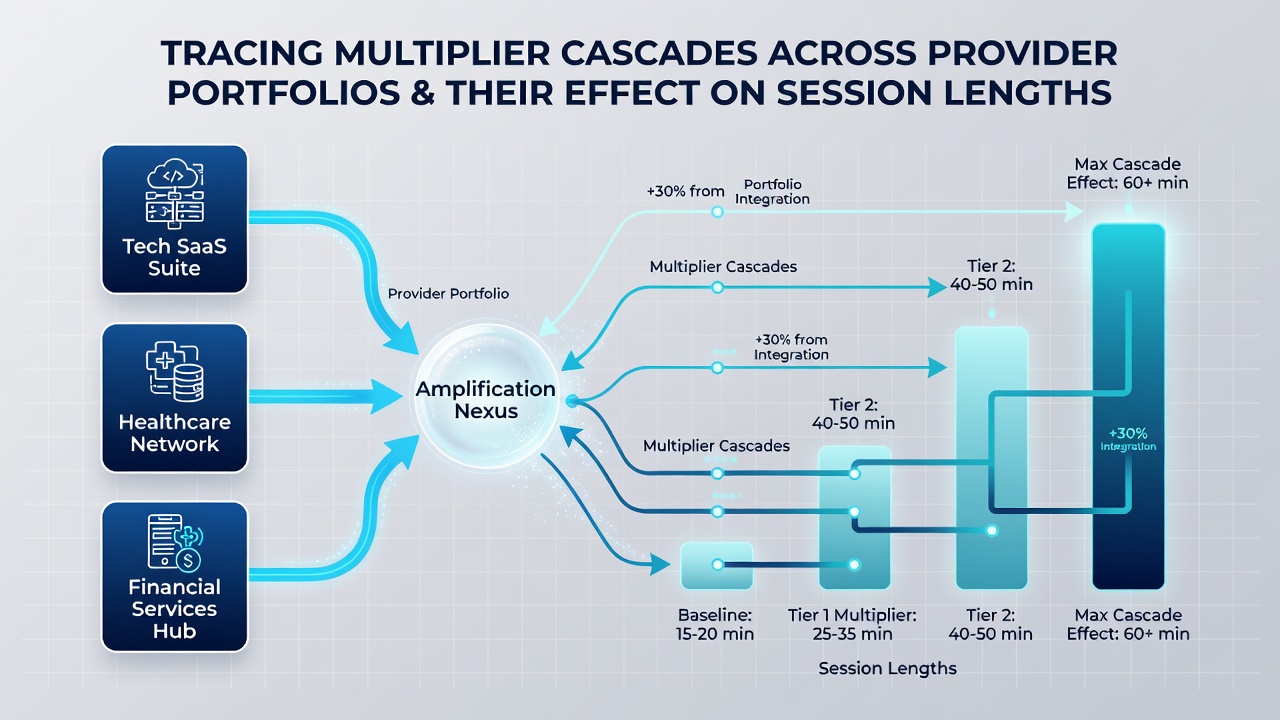
Studies conducted by independent analytics firms demonstrate measurable differences in play duration when cascade features reach higher multiplier thresholds. Sessions in games with frequent cascade chains lasting beyond four stages show increased retention rates, and data collected through platform telemetry indicates players remain active for 18 to 27 percent longer on average. These measurements come from aggregated user logs across multiple operators, and they highlight how the psychological pull of building multipliers sustains attention even during periods without significant monetary returns.
Geographic Variations in Cascade Adoption
European operators report higher integration rates of cascade-heavy titles within their featured libraries compared to North American markets, where regulatory frameworks sometimes limit feature complexity. Australian gaming data from recent quarters shows similar preferences for chain-reaction mechanics in mobile-optimized releases, and researchers attribute part of this trend to improved session metrics tracked through regulatory submissions. Nevada Gaming Control Board filings from early 2026 document parallel observations among land-based conversions that incorporate digital cascade elements into physical cabinets.
Turns out the timing of cascade triggers matters as much as their frequency, because providers time symbol drops and multiplier applications to align with peak engagement windows within typical user sessions. One study released in June 2026 examined over 2.4 million recorded plays and found that cascades occurring between the third and seventh spin of a session produced the strongest correlation with continued play beyond the initial ten-minute mark.
Mathematical Structures Behind Extended Play
Each provider portfolio employs distinct probability curves that govern how often cascades reach multiplier values above 5x, and these curves directly influence how long sessions tend to last before players pause or exit. Calculations shared in technical white papers illustrate that games engineered with softer early-stage multipliers encourage more attempts at reaching higher tiers, whereas steeper curves produce quicker exits once the initial chain concludes. Observers tracking these design choices across competing studios note recurring patterns where portfolio consistency in cascade pacing helps establish brand identity among frequent players.
Academic work published through the University of Las Vegas gaming research center explores how visual feedback during cascade sequences affects perceived session value, and their findings suggest that smoother animation timing contributes to players underestimating elapsed time. Such research draws from controlled observation groups and cross-references actual platform data to validate laboratory results against real-world behavior.
Cross-Provider Comparisons and Emerging Patterns
When analysts compare cascade implementations from five leading providers side by side, certain commonalities appear in how free-spin bonuses amplify base-game chains, yet distinctive differences emerge in reset conditions and maximum multiplier caps. Providers that allow multipliers to carry across multiple bonus rounds generate longer average sessions according to aggregated operator reports, while those that reset values after each round show more varied session outcomes. These distinctions become especially visible in titles released during the first half of 2026, where several developers refined their cascade algorithms based on prior performance metrics.
But here's the thing about portfolio-wide strategies: developers often test cascade intensity variations within the same game family to determine optimal balance points that sustain interest without accelerating fatigue. Data shared at industry conferences indicates that moderate cascade frequencies paired with incremental multiplier growth yield more stable session lengths across diverse player demographics.
Conclusion
Tracing multiplier cascades through provider portfolios reveals consistent relationships between chain-reaction design and session duration across multiple data sources. Providers continue refining these mechanics based on performance indicators gathered through regulatory channels and internal analytics, and patterns identified in June 2026 releases suggest ongoing evolution in how cascades integrate with broader game structures. Those monitoring industry developments will likely see further adjustments as operators seek configurations that align player engagement metrics with portfolio objectives.