Paylines Unraveled: Tracing Grid Patterns from Classic 3-Reelers to Infinity Ways for Smarter Bets
Written by Bianca Roth · Apr 4, 2026

Paylines Unraveled: Tracing Grid Patterns from Classic 3-Reelers to Infinity Ways for Smarter Bets
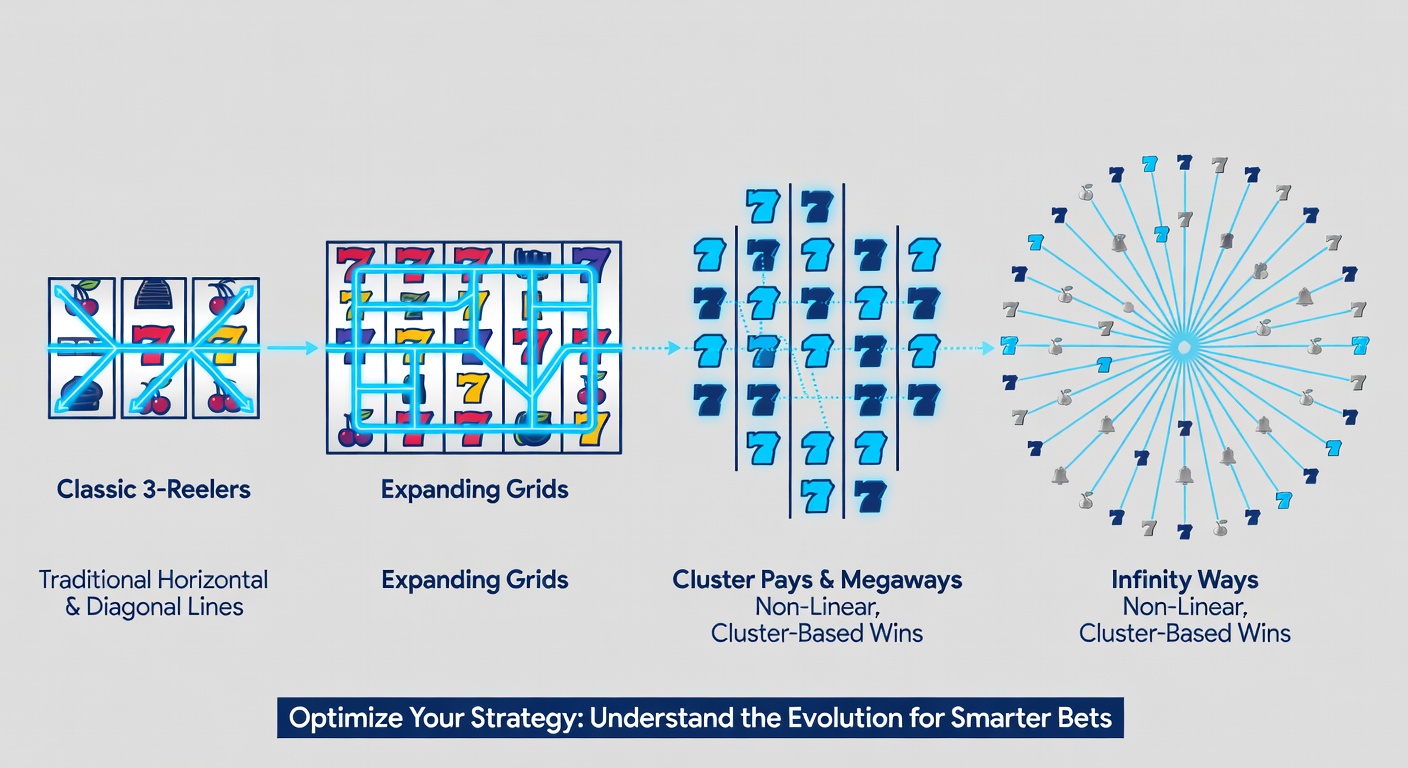
Classic 3-Reelers: Where It All Began
Back in the early days of mechanical slots, players spun three reels hoping for matches on a single horizontal payline running straight across the middle; those simple setups dominated casino floors from the late 1800s through the mid-20th century, with wins triggering when identical symbols like cherries, bars, or sevens aligned perfectly on that one line, while data from historical gaming records shows operators often offered just one or five fixed paylines at most, keeping bets straightforward and costs low since activating extra lines wasn't even an option.
adn yet, even then, clever manufacturers experimented with slight zigzags or V-shaped patterns to spice things up; take the Nevada Gaming Control Board's archives, which detail how Liberty Bell machines from 1899 stuck to one payline, but by the 1960s, electromechanical models nudged toward multiples, paving the way for bigger payouts without overcomplicating the spin.
What's interesting here is how those limited lines shaped player habits; observers note folks bet flat amounts per spin because complexity stayed minimal, and hit frequencies hovered around 1 in 3 to 5 spins for small prizes, according to preserved machine specs from that era.
Video Slots Enter the Scene: Fixed Paylines Multiply
The 1980s brought video screens to slots, transforming three-reel simplicity into five-reel grids packed with 9, 15, or 25 fixed paylines snaking across in patterns like straights, diagonals, and chevrons; players activated all lines at once or chose subsets, but data indicates most chased full activation to maximize win chances, since partial plays missed diagonal hits that could pay big.
Turns out, this shift exploded potential combos; a standard 5x3 grid with 20 lines offered thousands of ways symbols could align, while studies from gaming labs reveal average RTPs settled at 92-96% across these machines, balancing house edge with frequent small wins.
But here's the thing: bet sizing got trickier, as each line required a minimum wager, so total stakes climbed fast on 50+ line games popular by the 2000s; experts who've analyzed payout tables point out that covering all lines boosted hit rates by 30-50% over single-line plays, yet volatility stayed medium since jackpots tied to specific line-maxing combos.
Ways Pays Revolution: Ditching Lines Altogether
By the early 2010s, developers like Aristocrat introduced "Ways to Win" mechanics on 5x3 reels, where victories formed via adjacent matching symbols from left to right on adjacent reels, ignoring fixed paths entirely; this "243 Ways" setup on games like More Chilli meant 243 potential combos per spin, all active without extra cost beyond the total bet.
Players loved it because one wager covered everything; research from industry reports shows hit frequencies jumped to 25-35%, although payouts scaled down per way compared to traditional lines, keeping overall math balanced.
So, grids expanded too: 5x4 reels hit 1,024 ways, while 6-reel variants pushed 7,776; those who've crunched the numbers observe how this flattened bet structures, letting low-stakes players chase the same thrills as high rollers, all while progressive jackpots layered on top for that elusive mega-win.
Megaways Takes Over: Dynamic Reels Reshape the Game
Big Time Gaming's 2015 launch of Bonanza introduced Megaways, where each reel flaunts 2-7 symbols randomly per spin, generating 46,656 to 117,649 ways dynamically; software algorithms handle the math on the fly, displaying totals before each spin so bettors know exactly what they're in for.
Data from provider audits confirms average ways land around 15,000-20,000 per spin on 6-reel Megaways titles, with cascading reels often multiplying combos mid-sequence; it's noteworthy that RTPs hold steady at 96%ish, but volatility spikes because blank reel positions slash ways during dry spells.
And now, licensing deals have spread Megaways worldwide; figures from aggregator platforms reveal over 300 titles by 2026, including hybrids with multipliers that turn modest bets into six-figure hauls when everything aligns just right.
Infinity Ways: No Limits, Endless Possibilities
Nolimit City upped the ante in 2022 with Infinity Ways on slots like San Quentin, featuring 6 reels where symbol stacks create theoretically unlimited paylines via adjacent matches; each qualifying win adds a symbol to the reel set, potentially ballooning ways from 46,656 to infinity, although practical caps hover in the millions per sequence.
What's significant is the math engine: proprietary algorithms calculate payouts in real-time, with data showing sustained cascades can yield 100,000x stake multipliers; players adjust bets via coin values and levels, but total exposure remains proportional to grid size, per game certification logs.
Yet, balance comes via high volatility; hit rates dip below 20% on base games, but bonus buys (where legal) let folks jump straight to high-way modes, as tracked in regional performance metrics.
Grid Patterns Evolve: From Squares to Clusters
Larger grids like 8x8 or 10x10 dominate newer releases, often pairing paylines with cluster wins where 5+ connected symbols anywhere trigger prizes; Relax Gaming's Money Train series exemplifies this on 5x3 expanding to full screens during bonuses, blending fixed ways with pattern-matching.
Observers note April 2026 brings fresh scrutiny, as the Australian Gambling Research Centre releases data on grid-based mechanics' impact on session lengths, revealing average plays stretch 20% longer due to multi-hit potential, while RTPs adjust to 94-97% across jurisdictions.
So, bettors size wagers by grid scale; smaller 6x4 setups suit conservative plays with 4,096 ways, whereas massive 10x6 beasts demand deeper pockets for their 1,000,000+ way explosions, all backed by volatility indexes from 3/5 to maxed out.
Betting Smarter: Patterns That Guide Choices
Understanding payline types sharpens decisions; classic single-line machines favor flat betting for steady small hits, while multi-line videos reward full-line coverage to capture every diagonal, as payout simulations demonstrate 15-25% efficiency gains.
Ways Pays simplify: one bet activates all, ideal for bankroll stretching; Megaways players watch reel modifiers pre-spin, upping stakes when ways exceed 50,000, per strategy analyses from gaming math experts.
Infinity and grid setups? Those demand volatility tolerance; data indicates low bets on high-way games yield frequent micro-wins, but progressives shine with max lines active, turning patterns into profit paths when cascades chain just so.
Take one case from provider whitepapers: a 243 Ways title averaged 1.2x stake returns per 100 spins at minimum bet, scaling linearly; experts track how this informs session planning, avoiding overexposure on low-way droughts.
Conclusion
Paylines have journeyed from solitary horizontals in 3-reelers to boundless Infinity Ways across sprawling grids, reshaping how wins form and bets land; along the way, fixed counts gave way to dynamic tallies, hit rates evolved with complexity, and strategic depth grew for those decoding the patterns.
Today's players navigate 117k-way Megaways or cluster grids with tools once unimaginable, yet the core math persists: more paths mean more plays, balanced by volatility that keeps houses ahead; as April 2026 trends hint at even wilder hybrids, grasping these evolutions equips bettors to spin smarter, chasing combos where the real action hides.