Respin Layers and Symbol Stacks: Their Role in RTP Calculations for Independent Mobile Slot Games
Written by Vera Hartmann · Aug 1, 2026
Respin Layers and Symbol Stacks: Their Role in RTP Calculations for Independent Mobile Slot Games
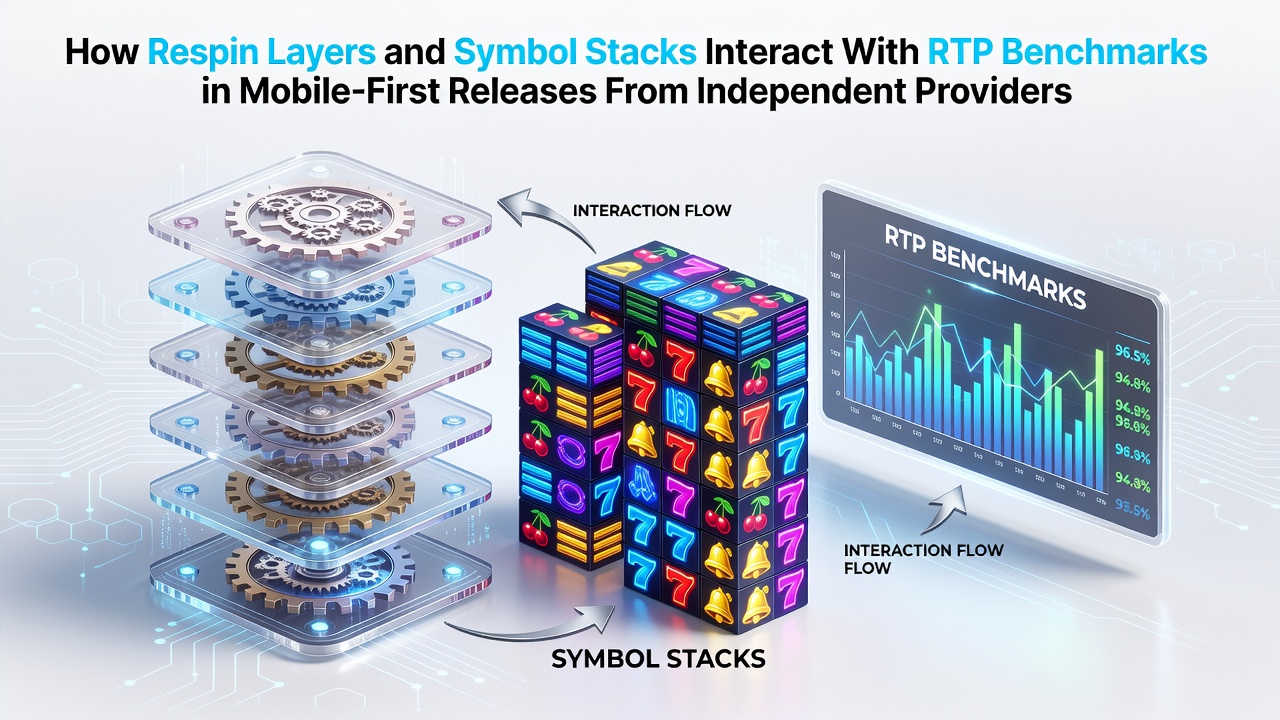
Independent providers continue to refine mobile-first slot designs where respin layers combine with symbol stacks to shape return-to-player benchmarks, and data from regulatory filings shows these mechanics often adjust base RTP values by 1 to 4 percentage points depending on trigger frequency. Developers integrate stacked symbols that occupy multiple reel positions while respin features trigger additional spins on selected reels, which creates layered probability models that testing laboratories must recalibrate before release. Those who analyze game math reports note that the interaction produces higher variance in short sessions yet maintains the certified RTP across extended play cycles when hit rates align with initial simulations.
Mechanics of Respin Layers in Mobile Releases
Respin layers function as secondary reel modifiers that activate after specific symbol combinations land, and independent studios embed these layers directly into the base game code to reduce load times on mobile devices. When a stack of identical symbols appears, the respin layer can isolate those positions and award one or more additional spins while holding the stacks in place, which effectively multiplies the number of evaluation opportunities without altering the underlying random number generator seed. Studies from gaming laboratories indicate that this design choice requires precise weighting adjustments because each respin cycle contributes incremental returns that must balance against the fixed RTP target set during certification.
Symbol Stacks and Their Contribution to Payout Structures
Symbol stacks expand winning combinations across adjacent reels in a single spin outcome, and mobile-first titles from smaller providers frequently use these stacks to create visual density that suits smaller screens. The presence of full-reel stacks increases the chance of multiple line or ways wins occurring simultaneously, yet the math models compensate by reducing the frequency of high-value symbols outside stacked formations. Observers note that this balance keeps overall RTP consistent even as individual spin results display larger potential payouts through the stacked configurations.
Interaction Effects on RTP Benchmarks
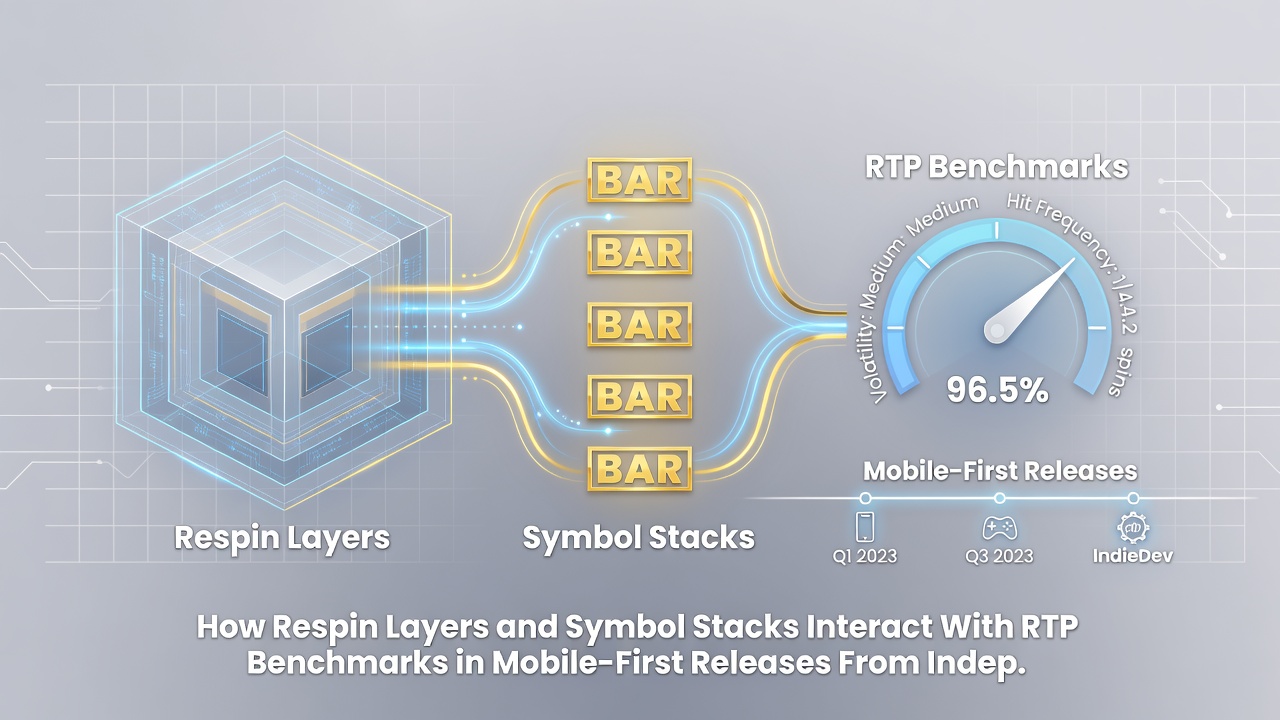
When respin layers and symbol stacks operate together, the combined mechanics generate compound probability trees that independent providers must map exhaustively during development, and certification data reveals that RTP benchmarks can shift if the respin trigger rate exceeds design parameters by even a small margin. Developers therefore run thousands of simulation cycles to verify that the layered system delivers the advertised RTP across millions of spins, while mobile optimization ensures these calculations execute without performance lag. Research indicates that games incorporating both features often publish RTP ranges rather than single figures because the interaction allows slight variations based on player-selected bet levels or optional modifiers.
Certification Standards Across Regions
Regulatory bodies in Nevada and Australia require independent testing of these combined mechanics before market entry, and reports from the Nevada Gaming Control Board document how stacked symbols paired with respins must undergo separate evaluation for each mobile platform variant. Similar oversight from Canadian provincial regulators and European testing houses ensures that RTP benchmarks remain transparent, with providers submitting detailed probability tables that account for every possible respin outcome and stack configuration. Data shows that games failing these layered evaluations receive revisions before approval, which delays releases but preserves player trust in published return figures.
Trends in Independent Provider Development
Throughout 2025 and into August 2026, smaller studios have prioritized mobile-first releases that leverage respin layers and symbol stacks to differentiate from larger competitors, and industry reports highlight how these features allow distinctive gameplay loops without requiring extensive reel expansions. Providers adjust stack heights and respin durations during internal testing to hit target RTP benchmarks while preserving the fast session lengths typical of mobile play. Those tracking release schedules observe that successful titles often publish their RTP data alongside volatility ratings, giving operators clearer expectations about how the mechanics interact under real-world conditions.
Conclusion
Respin layers and symbol stacks continue to influence RTP benchmarks in measurable ways within mobile-first releases from independent providers, and ongoing certification processes ensure these interactions stay aligned with published return percentages across global markets. The technical demands of balancing these elements drive continued refinement in game math and platform optimization, which shapes the next wave of titles scheduled for late 2026 deployment.