Sonic Signatures: How Audio Layers Shape Reel Outcomes and Player Patterns in Digital Gaming Titles
Written by Sofia Franke · May 18, 2026
Sonic Signatures: How Audio Layers Shape Reel Outcomes and Player Patterns in Digital Gaming Titles
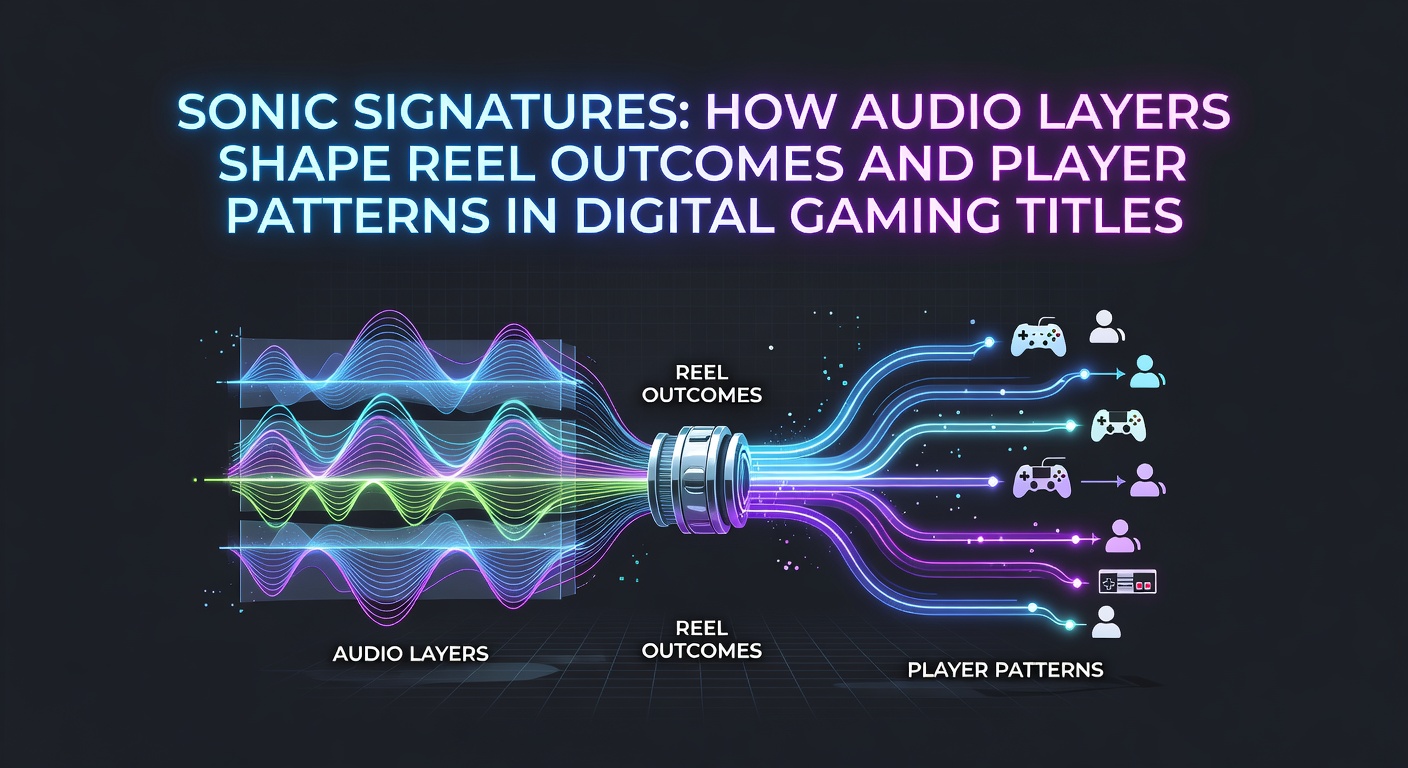
Research indicates that sound design in digital slots operates through distinct layers, each calibrated to specific reel events and player interactions, while actual outcomes remain governed by certified random number generators independent of audio cues. Developers build these layers from base reel spins that use low-frequency hums, mid-range clicks for symbol stops, and high-frequency chimes that activate on line wins or scatter triggers. Data from industry reports shows these elements combine to create what analysts call sonic signatures, patterns that players encounter repeatedly across sessions yet never alter the underlying probability matrices. Studies conducted by academic teams in Australia and Canada reveal measurable shifts in player behavior when audio intensity rises during near-miss sequences or progressive meter builds. Heart-rate monitoring and session-length tracking demonstrate that certain win jingles correlate with extended play periods, not because they change reel results but because they reinforce anticipation cycles. Observers note that bonus-round music often shifts to faster tempos and brighter timbres, prompting quicker spin inputs and higher average bets per minute in controlled tests.Layered Construction of Slot Audio
Slot audio begins with ambient tracks that loop beneath the reels, establishing a consistent mood without drawing direct attention to individual outcomes. Above this foundation sit event-driven stingers: short, distinct sounds that mark reel stops, wild substitutions, and expanding symbols. A third layer handles dynamic responses, where volume or pitch adjusts based on consecutive non-winning spins or accumulating multipliers. Engineers at major studios program these layers to avoid overlap conflicts, ensuring that a jackpot announcement never collides with a routine line-hit cue.
What's interesting here is how these layers interact with visual timing. When a reel slows just before landing a high-value symbol, the accompanying audio stretch creates a micro-pause that heightens focus, yet the random outcome was already determined milliseconds earlier. Figures from testing labs confirm that players exposed to synchronized audio-visual slowdowns report stronger emotional peaks even when payout values stay constant across conditions.
Influence on Player Patterns and Session Dynamics
Longitudinal data collected across multiple markets indicates that players develop recognizable response patterns to recurring sonic cues. Repeated exposure to a particular bonus-entry melody can increase the likelihood of players remaining in a game for additional rounds, even after a series of smaller returns. Researchers tracking voluntary session terminations found that abrupt audio cutoffs at the end of free-spin sequences sometimes prompt immediate re-entry, whereas gradual fade-outs correlate with higher rates of natural exits.

But here's the thing: regulatory updates scheduled for May 2026 in several jurisdictions introduce stricter stake and session reminders that may interact with these audio-driven patterns. Game designers are already adjusting volume envelopes and cue durations to maintain engagement within shorter permitted play windows. Early prototypes show that softer background layers paired with sharper win accents help sustain perceived value when maximum bet sizes face new caps.
Technical Implementation and Certification Standards
Sound files undergo the same rigorous testing as visual assets before release. Laboratories verify that audio triggers align precisely with RNG calls and do not introduce timing advantages or disadvantages. Compression formats are chosen to minimize latency on mobile networks, while adaptive mixing algorithms lower non-essential tracks when multiple players occupy the same device speaker output. European and North American certification bodies require documentation showing that audio remains purely representational and never influences reel mathematics.
One study released by a Canadian research consortium examined over 200 titles and found consistent correlations between audio complexity and average session duration across skill-neutral games. Titles featuring four or more distinct audio layers recorded measurably longer play intervals than simpler three-layer counterparts, although win-frequency metrics stayed statistically identical. Those findings suggest audio functions as a retention tool rather than an outcome modifier.
Future Directions in Audio Design
Emerging techniques include spatial audio positioning for multi-reel setups and adaptive soundtracks that respond to individual player history without storing personal data. Developers explore biofeedback integration in research environments, testing whether heart-rate-linked volume changes can moderate betting speed during extended sessions. Industry associations across Asia-Pacific regions have begun sharing best-practice guidelines on ethical audio thresholds to prevent overstimulation.
Conclusion
Audio layers in digital slots form sophisticated systems that shape how players experience and respond to reel events while leaving core outcome probabilities untouched. Evidence from multiple regulatory regions and academic sources continues to map these relationships, guiding both creative choices and compliance requirements ahead of 2026 regulatory shifts. As titles evolve, the balance between engaging sound design and transparent mechanics remains central to sustainable game development.